USA Holidays
Sample itineraries
The Deep South - Deluxe Tour
From £1599
The Scots Irish combined their fiddlin’ with African American banjo sounds to create the foundation for every form of popular music we know today: jazz, blues, rock, soul, rap, country, Cajun and Gospel. Even where porch sitting is pastime, never be fooled by the pace of life. Life continues to be a celebration no matter what the circumstances. Even though all of the places you’ll visit were once the Confederate States of America, the heritage of the various cities couldn’t be more individual. Mobile, Natchez and Montgomery are the heart of the Old South. Memphis has significant river influences. The Louisianan’s are “Cajun,” of French descent, originally from Acadian Canada. Explore each city for its heritage, landscapes, entertainment, attractions and its particular take on Southern culture.
Take it all in and enjoy each distinct destination. We’re confident that you’ll take home memories to last a lifetime.
Highlights:
- Alabama State Capitol
- Old Alabama Town
- Mobile
- The French Quarter
- Ogden Museum of Southern Art Garden District
- Maison Bourbon Jazz Club
- Vermillonville
- Atchafalaya Experience
- Jean Lafitte Scenic Byway
- Lafayette
- Natchez
- Memphis
- Graceland
- Beale Street
- Mud Island River Park
- B.B King's Blues Club
- Birmingham Civil Rights Institute
Price per person includes:
- Return flights to Atlanta, Georgia
- All taxes
- 11 nights Deluxe accommodation in sought after locations
- 12 days mid-size size car hire
- A personalised road book which is a complete guide to travelling within North America and provides bespoke driving instructions for your holiday.
Ideal time to visit: April to November
Prices are based on off-peak travel. Please call or email for costs for your preferred date of travel.
Day 1 Arrive Atlanta
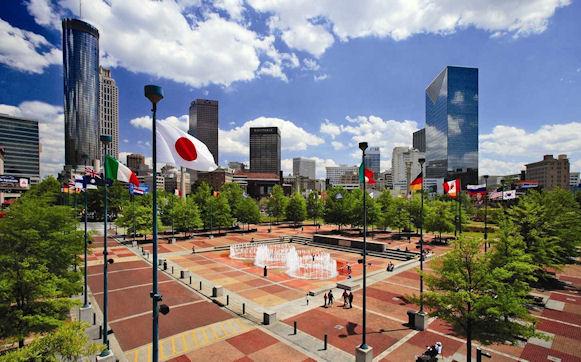
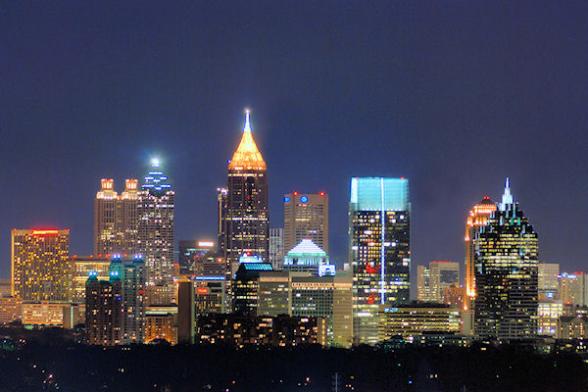
Landing in Atlanta today, you’ll be in the New South. Even though this is still the State Capital of Georgia, Atlanta is not what it used to be. The impressive capitol dome now presides over a contemporary city, rebuilt, reworked and virtually all brand new. More twenty something’s are moving to Atlanta than any other city in the US for the vibrant life, climate and opportunities.
Atlanta is used to entrepreneurs with wild ideas. It is where Ted Turner started the CNN News Network amidst great skepticism. Since then the cable news company has become the most watched network in the world. An hour-long guided behind-the- scenes, Insider Tour of CNN Headquarters, gives you a glimpse of newsgathering and broadcasting at its best.
Deluxe accommodation: Ellis Hotel or similar
Day 2 Montgomery
Distance: 160 miles
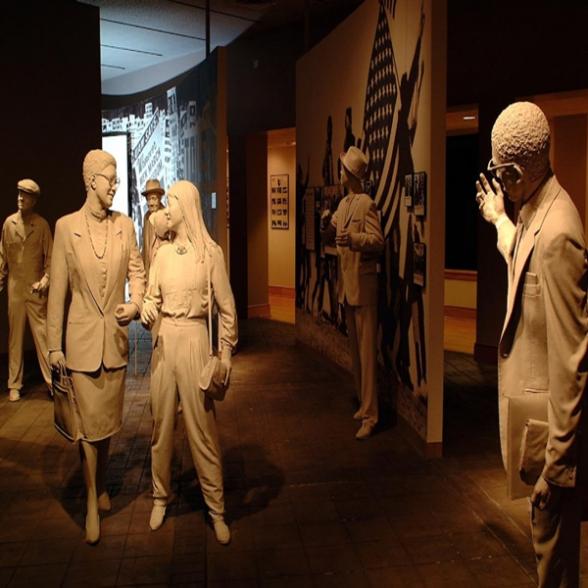
Montgomery is another bustling city of the New South where old and new blend with contradictory history as is true in so many other locations. It was a hotbed of activity for the Civil Rights movement in the 1960s and ironically, this is also the place where Confederate President Jefferson Davis lived at the birth of the Confederacy. His home, now restored to appear during the period he was in residence, is considered the First White House of the Confederacy. Nearby, the Rosa Parks Library is located on the campus of Troy University. Exhibits let you place yourself in the shoes of Mrs. Parks when she refused to give up her seat on the bus in 1955, effectively beginning the American Civil Rights movement.
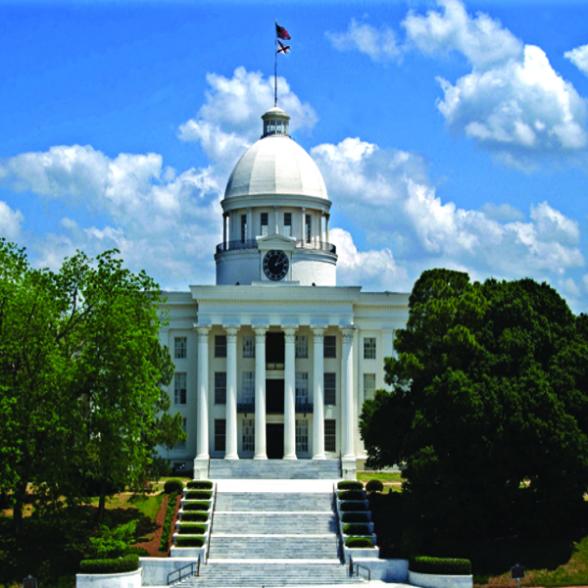
Another must see attraction in Montgomery is the Alabama State Capitol, a National Historic Landmark. It was the place where Jefferson Davis took the oath of office as the President of the Confederate States of America. It is also the location where Dr. Martin Luther King, Jr. gave his moving speech at the bottom of the steps, at the end of the Selma to Montgomery civil rights March. Old Alabama Town, one of the South’s premier history villages, is a collection of authentically restored 19th and 20th century buildings stretching along six blocks in the heart of historic Montgomery. Over 40 restored structures include an original 1850s townhouse, schoolhouse, a cotton gin, blacksmith shop, grist mill, tavern, log cabin, pole barn, a southern mansion, and more. Here, you can experience life in Montgomery during the infancy of the state’s history.
Deluxe accommodation: Historic Redmont Hotel or similar
Day 3 Mobile
Distance: 171 miles
Founded in 1702 as the original capital of the Louisiana Territory, few cities can boast such rich history and prime location as Mobile. Visitors marvel at the sheer beauty of the city—breathtaking sunsets, lush foliage, spectacular historic and modern architecture, amazing museums, diverse arts and culture and famous seafood creations. Remember when talking to locals that the city is called “Mo-beel,” given the soft emphasis on the second syllable by its French founders. And, having lived under six different national flags, culture, “cul-cha,” as they call it here, is a rich conglomeration of influences reflected in colourful local restaurants like Tiny Diny, which has the tallest meringue, Pollman’s Bake Shop Brownies or Three Georges with hand made pralines and more. The West Indies Salad, white crab meet mixed with onion, vinegar and oil. Wintzell’s Oyster House has been serving them “fried, stewed or nude” since 1928.
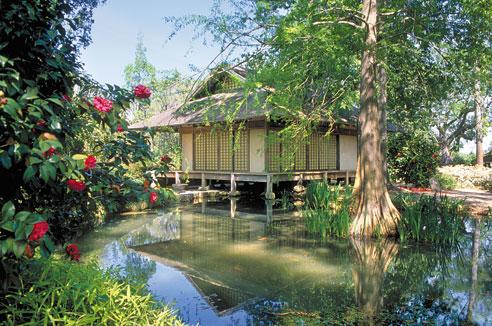
Fort Conde, the original settlement in the Mobile area was built right on Mobile Bay. The Fort Conde Visitor Centre, located at the Fort, is the tourism bureau full of information about the city. One of the must see’s in Mobile is Bellingrath Gardens, where something is always blooming. Bragg Mitchell Mansion is pure “Gone with the Wind,” if you haven’t seen enough mansions already! The Museum of Mobile and the Mobile Museum of Art have very interesting collections. Both brought a number of blockbuster exhibitions, like A Day in Pompeii and Captive Passage, to the region. The USS Alabama is a decommissioned World War II era Battleship.
Deluxe accommodation: Battle House Hotel or similar
Day 4 New Orleans
Distance: 144 miles
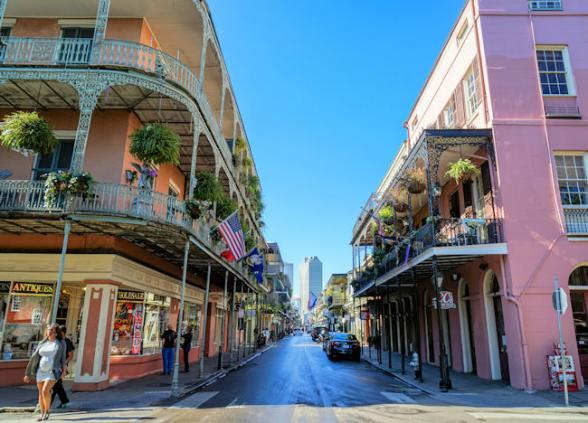
It’s a very pleasant drive along the coast from Mobile to New Orleans, where the French Quarter awaits. New Orleans is a culturally and historically very rich city. A stop at the French Quarter Visitor Centre unit of the Jean Lafitte National Historical Park and a walk through the French Quarter with a ranger introduces you to the traditions and story of this very special place. You’ll hear the terms Cajun and Creole time and time again. They are both part of the “cultural gumbo” of the city. Creoles are not Cajuns and Cajuns are not Creoles. Cajuns are always of French descent. Creoles may or may not be and are generally multi-cultural in descent. Not that it matters. The diversity of New Orleans is a normal part of life.
Settled in 1718, it served as the commercial hub of the upper Caribbean while changing hands between the Spanish and the French until it was ultimately sold to the United States in 1803. You can learn the whole story at the Historic New Orleans Collection, a museum and research centre dedicated to preserving the history and culture of the Gulf South region.
The Ogden Museum of Southern Art at the University of New Orleans takes the story even further, illustrating it with great art and decorative items. At some point, you’ll want to retire to your accommodations, leaving the rest of your exploration until tomorrow. There’s music playing in the French Quarter every evening.
Deluxe accommodation: Omni Royal Orleans or similar
Day 5 New Orleans
After breakfast today, you’ll want to spend some time in the Garden District which gets its name from the huge homes and gardens that fill block after block. It is also the location of the famous Commander’s Palace Restaurant, considered by some to be one of the finest dining experiences in the world! After Katrina, it took until October of 2006 for the restaurant to get back into full swing. But indeed they did, leaving you to have the option to try this exceptional cuisine.
Also in the Garden District, Longue Vue House and Gardens was born of the aspirations of Edgar and Edith Stern, pillars of the New Orleans community. The Classic Revival house is three stories and a basement, unusual in New Orleans where most of the land is below sea level. You can tour the 20 main rooms, complete with original American and English antiques, European and Eastern European carpets, art collections, Chinese and other pieces of priceless pottery.
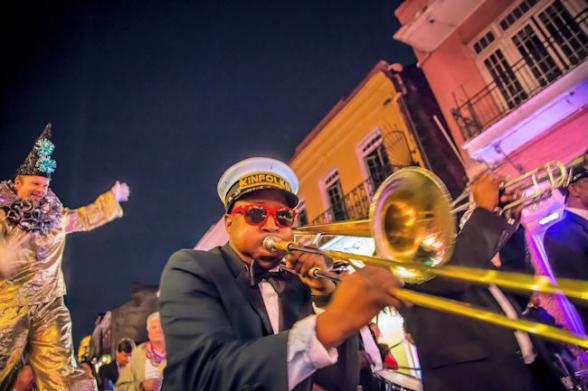
For music this evening, try the Maison Bourbon Jazz Club or the House of Blues — here it’s real! Also check to see if there are performances scheduled for Preservation Hall. You can also get messy at the Cafe Beignet, eating those wonderful just-made powdered sugar covered doughnuts. You can dine at Antoine’s, Brennan’s or the Cafe Du Monde. Magazine Street is a great place for shopping, including antiques.
Deluxe accommodation: Omni Royal Orleans or similar
Day 6 Lafayette
Distance: 135 miles
There should be plenty of time to explore a part of this quintessential Cajun city today. At the Acadian Cultural Centre unit of the Jean Lafitte National Historical Park, you’ll discover the story of the Acadian “Cajuns” who settled in the bayous and marshes of this French province after they left Nova Scotia. Exhibits explain the migration as a natural one from one French province to another, as well as the contemporary culture of the Acadians. Nearby Vermilionville is a 23-acre Cajun Creole heritage and folklife park that recreates life in the Acadiana area from 1765 to 1890.
A half-day Atchafalaya Experience is headed by the father and son team who also own the Bois des Chenes. The tour was honoured by Rand McNally Company with their “Best of the Road Award. The Atchafalaya Swamp, America’s largest river swamp is Louisiana’s answer to the Grand Canyon. Protected as a National Wildlife area, the vistas are pristine. The trips are designed to enable visitors to get out into the wild portion of the Atchafalaya and explore six distinctly different areas. Not to worry, the boats are equipped with all the latest communications and safety features.
If you’re up for a drive, the Jean Lafitte Scenic Byway takes you through several authentic historic towns deep in the bayous and back ways. The Alexandre Mounton House and Lafayette Museum introduces you to the local history and culture in the home built by Jean Mouton, founder of Vermilionville. Leave yourself some time for nightlife in Lafayette. There’s usually music playing somewhere. Enjoy. These are fun people!
Deluxe accommodation: The Juliet Hotel or similar
Day 7 Natchez
Distance: 146 miles
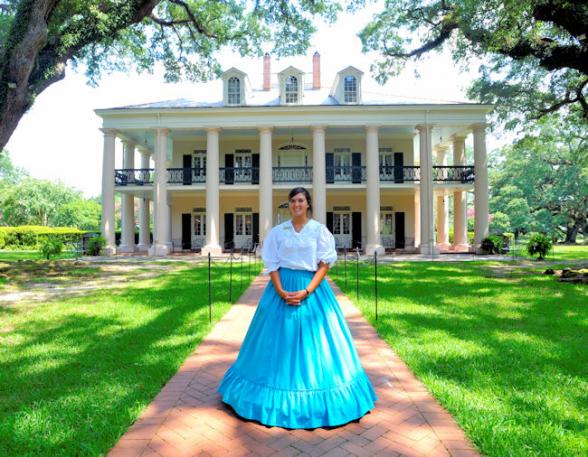
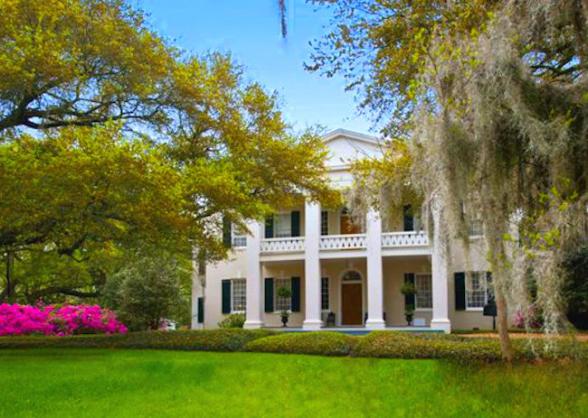
And just when you thought the Deep South couldn’t get any better, you’re headed for Natchez, the oldest civilized settlement on the Mississippi River. Natchez has more antebellum homes than any other city in the United States.
Likely the best place to gain an overview of Natchez and a context for everything else is the Natchez National Historical Park. The Park interprets two very different properties. Melrose, situated on 133 acres of live oak covered land, occupied by a prominent Southern family until 1866.Their story is somewhat of a tragedy so similar to the stories of so many wealthy Southern planter families during the Civil War.
The park also includes The William Johnson House which recently underwent three years of restoration. Mr. Johnson was emancipated by his master at age 11. He later became a formidable businessman and property owner in Natchez. At some point, he too owned slaves commensurate with his economic position. His diaries provide a fascinating account of the lives and times in the antebellum South.
Deluze accommodation: The Briar's Inn or similar
Day 8 Memphis
Distance: 324 miles
There are few places with as much music as Memphis, Tennessee. Your first stop of course, has to be Graceland, Elvis Presley’s home. A tour there satisfies the curiosity of most visitors. The house itself is not historic; its significance is only because it was owned by Elvis. You will learn the story of how Elvis, born into the most humble of circumstances, evolved into one of the most influential performers in the world.
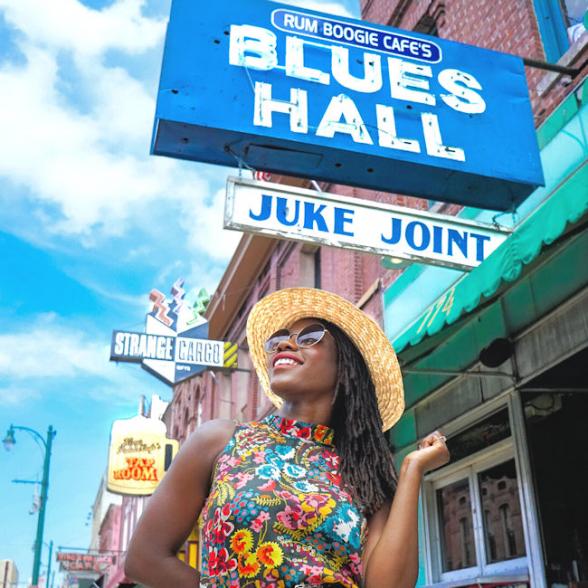
From Graceland, there’s more than music on famed Beale Street. The historic district, which has recently remerged as a bustling entertainment centre, has an interesting history all its own. Serving as Union General Grant’s headquarters during the Civil War, Beale Street also witnessed the whiskey peddling of Machine Gun Kelly. The City of Memphis purchased nearly all of the properties along a three block area in the 1970s and the renaissance that you will witness today began. The Centre for Southern Folklore and Cafe on nearby Main Street is a microcosm of music lore with exhibits related to music in Memphis.
The Cotton Museum at the Memphis Cotton Exchange was created on the carefully restored “Members Only” trading floor to reflect its 1939 heyday. Here you’ll learn the story of cotton in the south, how it influenced society, the economy, the culture, and even the music. The Mississippi River Museum is in Mud Island River Park, located right off Front Street. Exhibits present the
History of the origin of the Mississippi River, its first native inhabitants, the first European inhabitants and other local highlights. If you choose, you can also take the historic Main Street Trolley on a trip through historic downtown Memphis and the Riverfront Loop. This evening, a dinner cruise on Memphis Riverboats will let you enjoy the skyline of the city from the river.
Deluxe accommodation: The Peabody Hotel or similar
Day 9 Memphis
As you’re getting started this morning, the Memphis Botanic Gardens will provide a place to take a break and “smell the roses” during your exploration of Memphis culture and heritage. This 96-acre property contains 23 specialty gardens, everything from a traditional rose garden and magnolia trail, to a prehistoric plant trail.
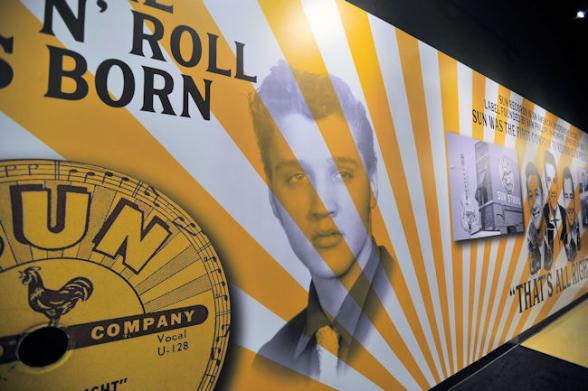
If you’d like to learn more about the origins of music in Memphis, the Memphis Rock and Soul Museum, an affiliate of the Smithsonian, welcomes over 200,000 visitors a year. It’s interesting to learn the connections between the work songs, field hollers, blues, gospel, country fiddlers and the music of today. Sun Studio, where Elvis Presley, Johnny Cash, Jerry Lee Lewis, Carl Perkins and B.B. King recorded is the most famous recording studio in the world and “The Birthplace of Rock and Roll.” Memphis’ newest museum devoted to music, Soulsville: Stax Museum of American Soul Music celebrates greats from the 1960s and 1970s, like Otis Redding, Booker T. & the MGs, Issac Hayes, Aretha Franklin, Earth, Wind and Fire and more. Stop at B. B. King’s Blues Club this evening to hear the real thing.
The National Civil Rights Museum in Memphis was established in the motel where Dr. Martin Luther King, Jr. was fatally shot. And last but not least, the Woodruff-Fontaine House on Millionaires Row shows how the other side lived during the prosperous period in Memphis after the Civil War. After you’ve finished exploring, you’re about two hours from Little Rock, Arkansas and your accommodations for the evening.

Deluxe accommodation: The Peabody Hotel or similar
Day 10 Birmingham
Distance: 240 miles
Even though it’s not Alabama’s capital, Birmingham is the state’s largest city. It too was heavily involved in the Civil Rights movement, although today is better known today for its playful mode. All of the locations in Birmingham are included on the “top 10 to visit” list. In addition to this great list, there is a motorsports park, a Robert Trent Jones golf trail, and The Summit, one of the best shopping malls in the region.
The Birmingham Museum of Art is the largest municipal museum in the southeast. Its collection of 21,000 works includes the Charles W. Ireland Sculpture Garden and the Beeson Collection of Wedgwood, unique to this facility. Holdings also include a collection of Native American art that sprung originally from the Native American influences in the region.
Birmingham’s version of the Civil Rights story is told at the Birmingham Civil Rights Institute. Different from a static museum, the Institute works at taking the lessons from the past to chart new directions for the future. A drive to Vulcan Park lets you view Birmingham and the greatest panorama of the Red Mountains. Back on the ground, the 67-acre Birmingham Botanical Gardens will give you a respite among the flowers if it’s a warm day.
Deluxe accommodation: Renaissance Ross Bridge or similar
Day 11 Atlanta
Distance: 146 miles
You might consider a city pass for Atlanta that provides admission to six of the premier attractions in the city. We recommend the High Museum of Art, the Inside CNN Atlanta Studio Tour and the Atlanta History Centre. If it’s spring or fall, consider the Atlanta Botanical Garden or the Georgia Aquarium.
The High Museum was built with the support of the Coca-Cola Company whose resources have also enabled the facility to assemble a fantastic art collection. With light-filled contemporary galleries, the building is as spectacular as its contents. The museum is able to bring shows like the Louvre Atlanta, with hundreds of masterpieces from the famous Paris museum to be shown exclusively at this location.
The Atlanta History Centre is housed in a plantation home dating from 1845. Most of the exhibits are displayed in the adjacent 1928 Swan House Mansion. As they say, “you’ll walk in wondering and walk out in wonder,” having explored the history of the south.
There’s always something blooming at the beautiful conservatory of the Atlanta Botanical Garden which sits overlooking a placid lake. If’s there’s time, explore a bit of Buckhead. It’s virtually all new too, but has wonderful shopping, shady streets for walking and great places to relax.
Deluxe accommodation: Ellis Hotel or similar
Day 12 Atlanta
Spend one more day exploring this fascinating city.
Deluxe accommodation: Ellis Hotel and similar