Bon Voyage Travel & Tours - 0800 316 3012

Tailor-made travel USA & Canada

East Coast Holidays

Sample itineraries

An American History Tour

From £1695

Stand in the room where American Independence was declared.  Envision the power these men felt believing they were changing the world for the better. Stand where the first airplane took flight.  Envision the energy and power of that first thrust outside the world of gravity.  Experience the silence of the battlefield where the course of the Civil War turned to ensure America would remain one nation.  Envision the cannons, chaos and carnage as the monstrous battle raged.

Walk the streets that George Washington trod as a Virginia farmer. Feel the pride of that little colonial town, now an incredibly delightful place, when he became President. Stand on the street corner where three of America’s founding fathers stopped to greet each other as friends long before each became President of the United States. Drive the road that many consider the most beautiful scenic highway in the country.

Do all this and more in one trip though the Mid-Atlantic region of the United States. The events, firsts and wonders just keep coming as you travel through an amazingly compact area where the driving distances are short and the drives pleasant and you get the best there is in the American story.  Had anything been different, the world today would be a different place.

Highlights of the Tour include:

  • Philadelphia's Historic Square Mile
  • Liberty Bell
  • Philadelphia Museum of Art
  • Valley Forge
  • Historic Brandywine Valley
  • Pennsylvania's Amish Country
  • Gettysburg
  • Pickett's Charge
  • Eisenhower Hantional Historic Site
  • Monticello
  • Blue Ridge Parkway
  • Grandfather Mountain
  • Blowing Rock
  • Biltmore Estate
  • Raleigh - state capital of North Carolina
  • Historic Oakwood
  • Outer Banks
  • Wright Brothers National memorial
  • Ocracoke Island
  • Cape Hatteras National Seashore
  • Virginia Beach
  • Washington, DC
  • Alexandria, Virginia
couple_dining_out[1]


Tour includes:

  • Flights from the UK to Philadelphia returning from Washington, DC to UK
  • Mid-size rental car for duration of tour
  • Accommodation for 14 nights in superior hotels and inns, in sought after locations
  • A personalised road book which is a complete guide to travelling within North America and provides bespoke driving instructions for your holiday.

Prices are based on off-season travel. Please call or email for costs for your preferred date of travel.


Day 1 Philadelpha, Pennsylvania

As soon as you arrive today, you can begin learning the story of the most important turning point in American history, the events in Philadelphia that officially created the United States. Soon after it started official functions in New York in 1789, the US government was moved temporarily to Philadelphia to await new quarters on the shores of the Potomac River.  Southern senators, unhappy with the northern location of the government, agreed to support Alexander Hamilton’s proposal for a Federal treasury and central bank if the capital was relocated to Virginia.

Philadelphia spared no expense believing they would be able to lure lawmakers to remain in the city where they had spent so much time drafting the Declaration of Independence and the US Constitution.

The new Philadelphia County Courthouse, on the west side of the State House was prepared for the use of the government. The new City Hall on the east side was made ready for the Supreme Court.

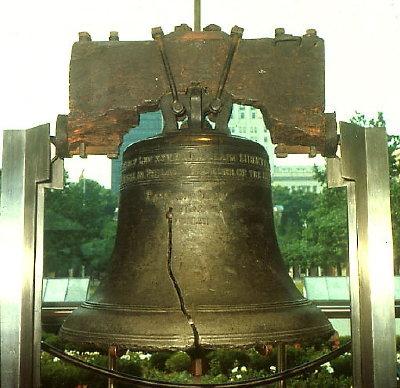
Another building was declared Congress hall, with offices and chambers for the Senate and the House. All of those structures are now what is referred to as Independence Hall. Not far away you can see the Liberty Bell and other very important historical artifacts. Interestingly, the foundation of the elegant mansion which Robert Morris lent to George Washington, located right next to Independence Park, is currently being excavated. The fascinating results of the dig have become one of the most visited locations in Philadelphia with very little publicity.

Today, Philadelphia’s most historic square mile is virtually the seat of American history, with 45 historic sites, museums and other historically significant locations.  Everything from the Betsy Ross House and the New Hall Military museum to the National Museum of American Jewish History and the Bolt of Lightning Memorial to Ben Franklin are located in that district. In addition, in other parts of the city, the Philadelphia Museum of Art is the third largest in the country with a collection of more than 400,000 works. Other impressive art museums include the Rodin Museum, the Barnes Foundation, and the Pennsylvania Academy of Fine Arts.

Stay 2 nights

Accommodation: Omni Independence Park our similar

Day 2 Philadelphia, Pennsylvania

PA Valley_Forge_gunner

If you want to travel farther from the city, Bucks County, Pennsylvania, just north of Philadelphia has some of the most scenic roads in America. Valley Forge where George Washington and the Continental Army spent the winter of 1776-1777 is west of the city. The beautiful and historic Brandywine Valley begins in Chester County, Pennsylvania. Longwood Gardens and Winterthur, both on estates formerly owned by the DuPont family, are world-class facilities.

Day 3 Gettysburg, Pennsylvania

AMish pony and trap Penn

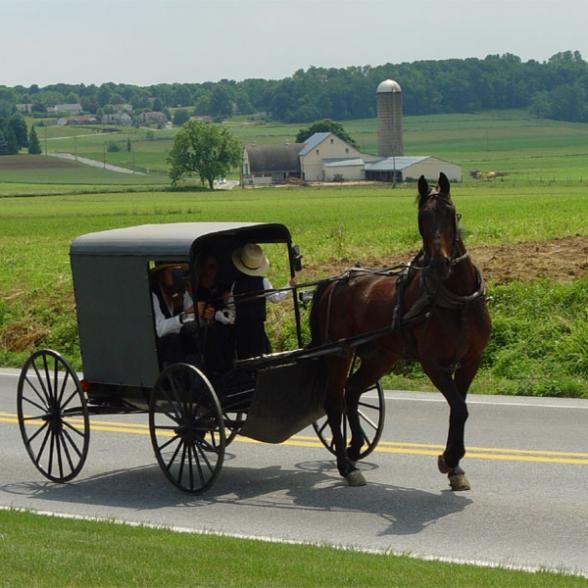
It’s going to be a very scenic drive through Pennsylvania’s Amish Country today on your way to Gettysburg. We know the roads where you can see untouched and unspoiled countryside overlaid with carefully tended Amish farms. Be sure to watch for the Amish buggies as you meander along the roads. They are still the only means of transportation used by many families to make their way from place to place. There are several Amish country farms and homesteads open for touring. You can also select from tours of yummy factories which produce Pennsylvania food products, The Lancaster Heritage Museum illustrates more fully, the story of local life.

We recommend starting your visit in Gettysburg at the National Park Service Visitors Centre. It’s a great way to get a good overview of this very crucial Civil War battle. The three days of action are illustrated in sequence. Next door, the newly renovated Cyclorama holds a circular painting that makes the battle start to come alive. Once out on the battlefield, the enormity of the action begins to emerge.

Traversing these enormous fields, you can begin to envision the thousands of soldiers who overran shocked farmers as the action raged. Standing on Little Roundtop it becomes immediately apparent why this high ground had to be held at all costs. Memorials to the 20th Maine illustrate just how long a line they had to defend. Up on Confederate ridge, you’ll wonder why the Confederate army didn’t just keep its positions on that high ground. After two days of victories, Lee’s ego got the best of him when he ordered his troops to charge across the open ground of the battlefield to claim an ultimate victory. Pickett’s Charge, in which Union troops massacred thousands of Confederate soldiers coming down off the ridge, was the result. Be sure to take the audio tour of the battlefield. with you as you drive. At some places you’ll want to get out and listen to the silence. At others, try to envision more of the action.

In addition to the battlefield, the Eisenhower National Historic Site paints an interesting portrait of Ike and Mamie at home. You can see the comfortably furnished family room where Khrushchev visited with President and Mrs. Eisenhower. It’s hard to imagine this event that changed history in such an ordinary home.

Accommodation: Doubleday Inn or similar

Day 4 Charlottesville, Virginia

Monticello Charlottesville VA

This morning as you head for Charlottesville, you’ll be driving south on the “Journey Through Hallowed Ground,” a beautiful scenic highway which preserves a portion of the original rural landscape in far northern Virginia.

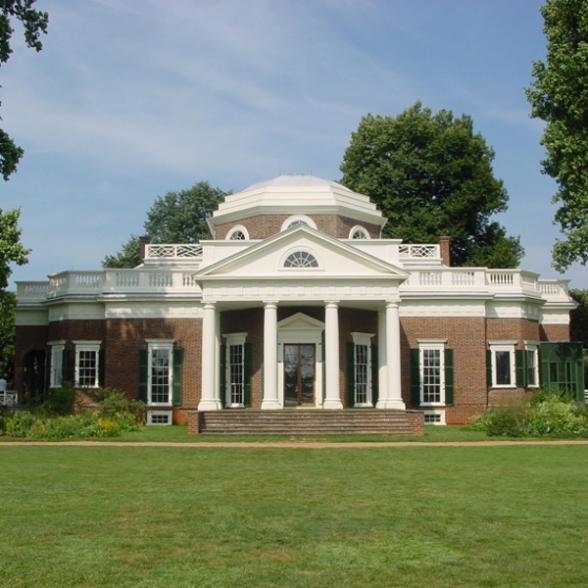
We recommend starting your visit in Charlottesville at Monticello, one of the most intensely interesting homes on the North American continent. Thomas Jefferson’s magnificent mountaintop mansion was designated a World Heritage Treasure by the United Nations. On the tour, you’ll learn more about the genius of Jefferson’s inventions as well as the role he played in the founding of America as author of the Declaration of Independence and later on, in the opening of the North American continent when he sponsored the Lewis and Clark expedition through the newly acquired Louisiana Purchase.

A short drive from Monticello takes you to the University of Virginia campus, designed by Jefferson, which he could see from his mountain top home. Downtown, you’ll discover that this quaint little city no longer has a Main Street. The street was closed to automobiles and bricked as an open walking plaza lined with shops. The street corner where Thomas Jefferson, James Madison and James Monroe (who served America for 25 years as the third, fourth and fifth US Presidents) met as friends is not far away. President Monroe’s home is within earshot of Monticello. President Madison’s home, Montpelier, is about 20 miles north of Charlottesville. If you enjoy wineries, one of the finest wine tours in the country circles Charlottesville.

Accommodation: Omni Hotel Charlottesville or similar

Day 5 Roanoke, Virginia

Linn_Cove_Viaduct NC

Ever dream of cruising along one of America’s most beautiful roads, discovering historic towns just off the roadway and meandering in no particular hurry? Sound appealing? On today’s trip down the Blue Ridge Parkway, an All America Road and National Scenic Byway, you can do just that.  The first portion of the road today will take you to Roanoke. During the next two days, you can take the rest of the drive from Roanoke to Boone and Boone to Asheville. It’s a rare opportunity to slow down, take a breath and enjoy  incomparable and endless views. While traveling over hill and dale, your eyes are always reaching out for the next vista. Soon you can extend your vision to the farthest Appalachian Mountain ridge lost somewhere in the expansive blue haze that gives the Blue Ridge its name.

No matter when you choose to travel, the Parkway is one of the few roads where every season isspectacular in its own right. In spring, the flowers are out and leaves are budding on the trees.

Summer boasts a lush strong green. In fall, Mother Nature puts on her best dress and delivers a roadway shrouded in blazing color. In winter, the reds and golds give rise to snow covered mountains. Sometimes in silence, a newly fallen snow appears like magic, after which the myriad of greens return again.

Just a few miles from the start, Humpback Rocks Visitor Center has spectacular vistas spreading across the valley. Otter Creek Visitor Center is the trail head for the 3.5 mile Otter Creek Trail. The James River Canal Trail takes you to the restored James River and Kanawha Canal Lock built in 1845. At Milepost 85.6, the Peaks of Otter Visitor Center sits across the road from Abbott Lake which features a 1-mile loop trail. You’ll find the Center in the Square, the Western Virginia History Museum, the Farmers Market and other interesting locations in downtown Roanoke.

Accommodation:  Hotel Roanoke or similar

Day 6 Boone, North Carolina

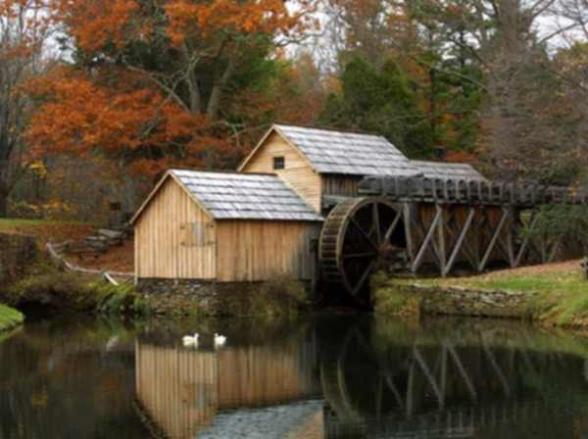
VA Blue Ridge Parkway Mabry Mill

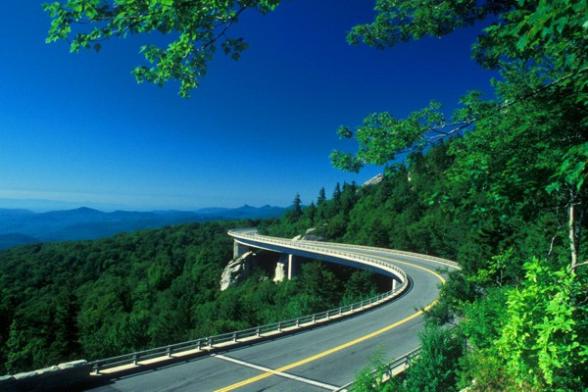
Your trip today will encompass more of the Blue Ridge Parkway. It’s a wonderful road and one that we are confident you will enjoy. When you reach North Carolina, the road changes. The elevations are higher and the vistas look out over the vast Appalachian Mountains. Northern North Carolina is likely the most scenic part of the road. You’ll be passing many places along the Parkway where there is an opportunity to stop. Mabry Mill, typical of a frontier farmstead, is the most photographed location on the Parkway. The Blue Ridge Music Center was a joint venture between the Blue Ridge Parkway and southwestern Virginia communities to illustrate the origins of country music that occurred in the region. Just into North Carolina, Moses Cone Memorial Park was donated to the Parkway by two wealthy real estate executives. The Linn Cove Viaduct, a tremendous feat of engineering that crests around the mountainside, was the last section of the Parkway completed due to the immense difficulty of building a road in that particular location. It’s a short walk from the Parkway to Linville Falls.

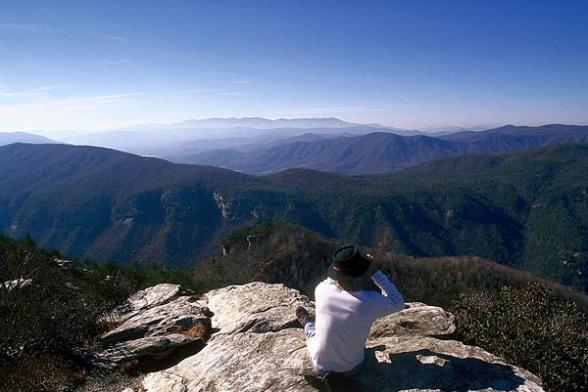
In the Boone area, Grandfather Mountain was created 740 million years ago when two of the earth’s plates slammed together. It appears to be the highest peak along the Blue Ridge. That’s only because of the way the terrain juts into the sky. The area is one of the most biologically diverse areas on the North American continent, with magnificent flora, spectacular views and abundant wildlife. Hugh McRae Morton, who inherited the property from his grandfather, worked with the Nature Conservancy to preserve 4,000 acres of the mountain backcountry as wilderness. In 1992, the preserve was recognized by the United Nations Scientific Organization as a member of the network of Biosphere Reserves. Coming down off Grandfather Mountain, you can visit Blowing Rock for immersion into the legend of Native American lovers who threw themselves from its ledge instead of being separated. Blowing Rock gets its name from the natural currents of air that flowupward, causing snow to fall upside down.

Accommodation: Lovill House Inn or similar

Day 7 Asheville, North Carolina

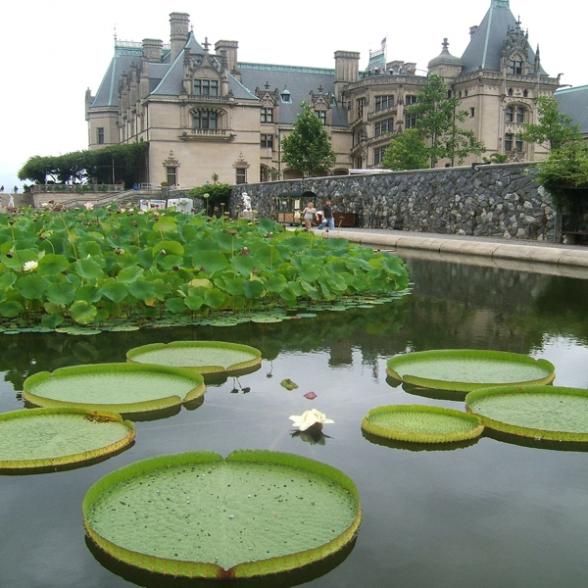
Biltmore Estate with pond

After another drive on the Parkway today, you have the opportunity to visit to one of the greatest landmarks of grandeur ever created in America. There’s so much to see and do at the Biltmore Estate, that you may want to visit it tomorrow when you have the whole day to spend.

Built by George Washington Vanderbilt in 1895 as a country retreat for friends and family, at 250 rooms the Biltmore Estate is America’s largest home. It’s like stepping back into another world of luxury.

The art collection, furniture, and the magnificent mansion itself are worth the visit and as grand as anything you might see in Europe. Like America itself, it's now open to everyone. Beyond a retreat, Vanderbilt envisioned a “working estate that would sustain itself and benefit the community,” with acres of gardens, parklands and managed forests. Touring this most opulent French Renaissance Chateau, it will be hard to focus on the fact this was once a self-sustaining “working farm.”

Many other things have also been restored at the property. The original lakeside vineyards have been revived and now produce grapes made into wines at the state of the art winery. An authentic French winemaker was recruited to produce the real thing. Frederick Olmsted’s original “genial” shrub garden and formal Italian Garden are now complemented with 2,300 roses and more than 1,000 azaleas. A visit to the Farm Village illustrates how the workers lived, worked and played in the 1890s. Interpretive exhibits illustrate antique equipment and the traditional farm animals that would have lived on the property. While there, you can also enjoy the bike trails, equestrian paths, a raft or recreational kayak and browse for treasures at the many shops, ranging from Christmas antiques and reproductions of Biltmore Estate items, to a bookbinder and wine shop. The Biltmore Estate has four sit down restaurants, several places to get a “quick bite” and a wine tasting room.

More shopping is located right at the entrance to the Estate in Historic Biltmore Village, originally designed as a planned community in the 1890s. Quaint tree-lined streets, brick sidewalks, and open air dining give this historic village a feel and quality unlike any other.

Stay 2 nights

Accommodation: Crowne Plaza Resort Asheville or similar

Day 8 Asheville, North Carolina

Another day to spend in the Blue Ridge Mountains in Asheville will feel like heaven. Today, you can stroll the Urban Art Trail, visit the North Carolina Arboretum, with the Carl Sandburg National Historic Monument or the Thomas Wolfe House. Whatever you choose to do, enjoy this wonderful mountain town.

Day 9 Raleigh, North Carolina

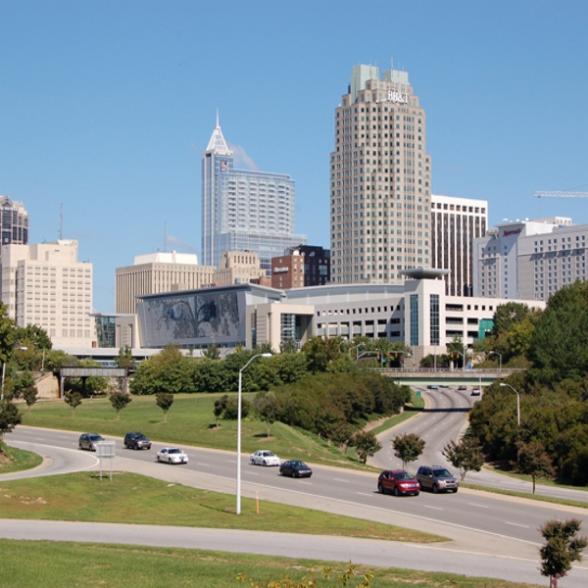
Downtown Raleigh

Today it’s time for a lovely drive through western North Carolina on your way to Raleigh, the state capital.

It took almost 200 years after Sir Walter Raleigh explored the Raleigh area in 1587 for the city to become the capital of North Carolina. Since then it has more than made up for lost time. Often referred to as the “Smithsonian of the South,” Raleigh has over 20 free premier attractions with the breadth and depth of the Smithsonian collection in Washington. Right in the center of Raleigh you’ll find the Capital Area Visitors Centre, the North Carolina Museum of History, and the North Carolina State Capitol which comes complete with a sculpture of George Washington wearing a Roman toga, and resident ghosts. Allegedly there are also secret rooms hidden in the structure.

The North Carolina Museum of Natural Sciences is the southeast’s largest natural history museum.  Here you can meet the world’s only Acrocanthosaurus and “Willo”, the first dinosaur discovered with a fossilized heart. An exhibit titled “Mountains to the Sea” recreates five North Carolina habitats, complete with live animals and a 20-foot high waterfall. The North Carolina Museum of History holds more than 150,000 artifacts from six centuries. The museum is noted for a series of powerful exhibits illustrating everything from industrial progress to a chronological presentation of the clothing worn by North Carolinians over a 250 year period. When it’s time to stretch your legs, take

a walk through Historic Oakwood, a 20-block area with restored homes built between 1870 and 1912.

Accommodation: Sheraton Raleigh Hotel or similar

Day 10 Nags Head, North Carolina

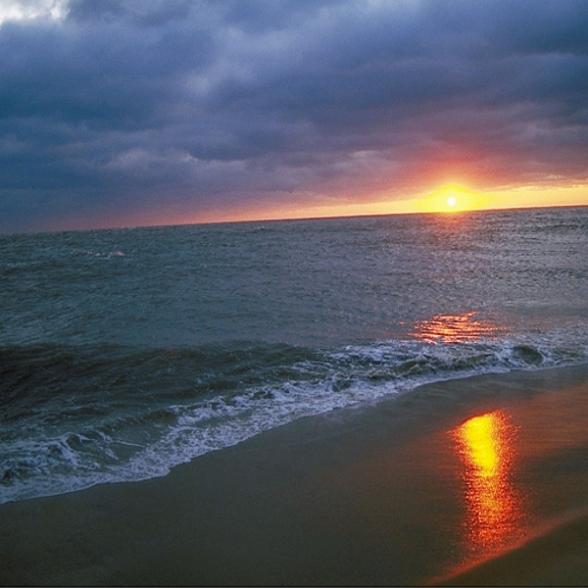
Outer_Banks

Travel today will take you from North Carolina’s major urban region to one of the most rural places in the state.  Locals refer to the area as “America’s Island Paradise Without the Price.” Miles and miles of beaches on the Outer Banks remain in pristine natural condition populated only by shorebirds and waterfowl. Likely the most famous location on these islands is the Wright Brothers National Memorial located where the first airplane took flight in 1903. For lighthouse fans, Bodie Island Lighthouse, Currituck Beach Lighthouse and Cape Hatteras Lighthouse are all on the main island. Ocracoke Lighthouse is located on Ocracoke Island, accessible by ferry. Other attractions on the Outer Banks include Fort Raleigh, the site of the first landing by Sir Walter Raleigh and his settlement party in 1587, Cape Hatteras National Seashore, Jockey’s Ridge State Park and the North Carolina Aquarium on Roanoke Island.

Accommodation: First Colony Inn or similar

Day 11 Virginia Beach, Virginia

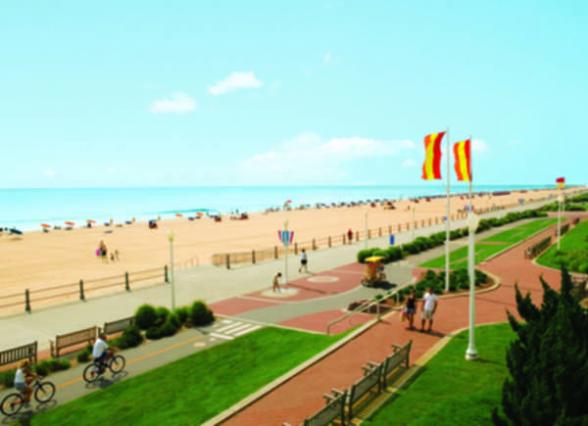
Virginia Beach boardwalk

You can stay in the “beach” mode today as you travel up to Virginia Beach for an evening before departing for northern Virginia. When John Smith first landed here in 1607 — no he did not land at Jamestown, he landed at Virginia Beach — it must have looked like paradise! The lush coast of Virginia beckoned the colonists who survived four months of heaves and swells on the open ocean.

As they knelt to kiss the ground, they knew they had been delivered to the New World! The cross that sits on Cape Henry in Virginia Beach commemorating this remarkable event allows us to correct four hundred years of legend and lore.

Virginia Beach’s other claim to fame is its wonderful beaches. Here, you can get outdoors, catch a wave, hook a marlin or watch a whale!. Or, paddle in a quiet cove, watch birds in absolute silence, or glide through the water and drop a line. You’ll find Virginia Beach one of nature’s best treasures for the pursuit of happiness in the outdoor world.

If nature indoors is more your preference, visit the Virginia Aquarium and Marine Science Center. The region’s premier marine science facility is equipped with a 300,000 gallon aquarium that has splashing harbor seals, nurse and brown sharks, stingrays and other large open ocean creatures.

The Atlantic Ocean Pavilion and Main Building are complemented with the Owls Creek Marsh Pavilion that reveals the story of life in the marsh and Owls Creek, the waterway on which the aquarium is located. An interpreted nature trail, complete with a 30-foot observation tower, connects the two

buildings. Take advantage of any informative 10 to 15 minute educational programs conducted throughout the day in both the main building and along the nature trail. There’s even a 45 minute IMAX movie.

Stay 2 nights

Accommodation: Springhill Suites Oceanfront or similar

Day 12 Virginia Beach, Virginia

VA - old towne Portsmouth

There are four cities in the Hampton Roads area in addition to Virginia Beach and any one of them warrants a visit.  Portsmouth is the oldest of the group and considered to have the best collection of historic homes between Philadelphia and Charleston, South Carolina.  Get out and stroll along the Elizabeth River and take the most pleasant walking tour of Olde Towne Portsmouth.

Norfolk, with a bustling contemporary town, is home to the Chrysler Museum of Art which began with the donation of the collection of car magnate, Walter Chrysler.  Also there, the Battleship USS Wisconsin which looms over the waterfront is docked at The National Maritime Museum or NAUTILUS. Chesapeake is quiet and blessed with wonderful natural environments including the Dismal Swamp  Canal and Dismal Swamp National Wildlife Refuge, The Canal is one of the eeriest places you’ll ever discover.

And last but not least, Hampton, founded in 1610, only 3 years after John Smith landed at Jamestown. You can’t tell today that Hampton was burned during the American Revolution, the War of 1812 and the Civil War. They have a great new waterfront and some very old historic structures that did manage to survive.

Day 13 Washington, DC

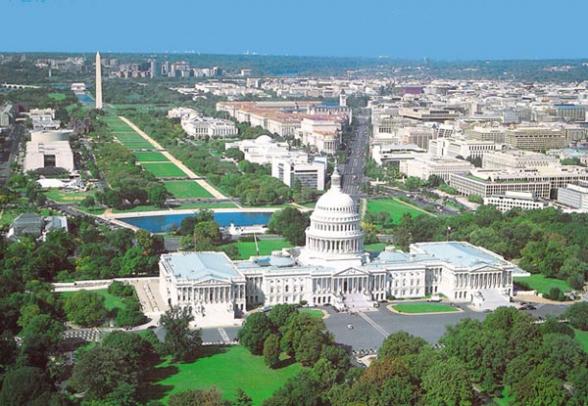
As soon as you arrive in Washington, you can begin to explore the highlights of America’s capital city. There are many great neighborhoods in Washington, yet the key museums and historic buildings are concentrated around the US Capitol Building and the National Mall, which is lined with Smithsonian museums. Even though the attractions are free of charge, there are some important details that will make your trip most rewarding.

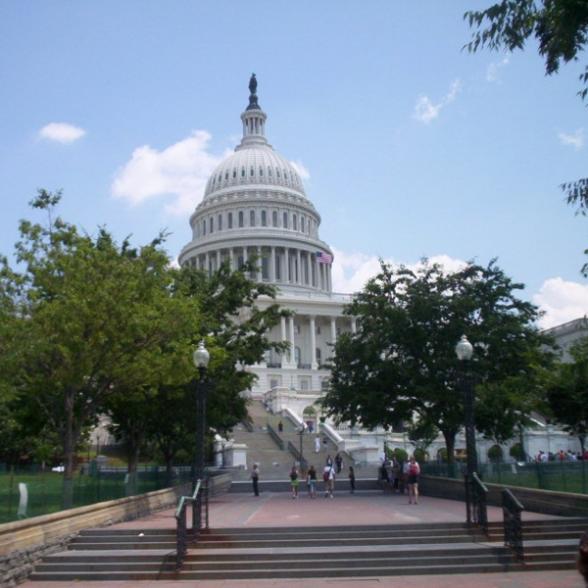
You can start your visit at the US Capitol Complex, which includes the Capitol Building, House and Senate Buildings and the US Botanical Gardens.  Standing on the Capitol steps looking out you can see the National Mall, a nearly two mile green space between the Capitol and the Lincoln Memorial which is lined with monuments and museums. The Washington Monument stands in the centre between the two. The cross axis of the Mall is anchored by the White House on one end and the Jefferson Memorial on the other.

In addition to the key anchors of the National Mall, the US Capitol, the Lincoln Memorial, and the Washington Monument, the rest of the monuments and memorials on or near the Mall could fill your entire trip to Washington, DC.

Stay 2 nights

Accommodation:  Omni Shoreham or similar

Day 14 Washington, DC

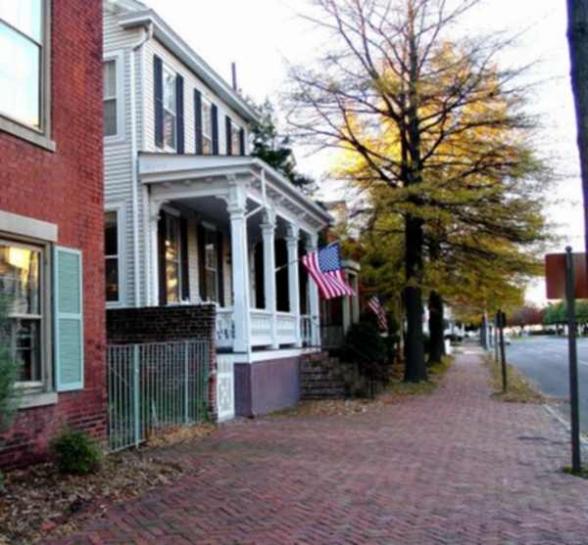
Alexandria old town street VA

Today, you have the option to explore more of Washington, DC proper or venture over to

Alexandria, Virginia, a historic town that was settled nearly 50 years before Washington. Imagine you’re watching George Washington dance with Martha on his last birthday in 1799, or Thomas Jefferson and John Adams arguing their dramatically differing political positions for the United States. A few feet away, the Marquis de Lafayette is kissing the hand of a lady, making her acquaintance. This is what Alexandria, Virginia was all about in colonial days. There is preservation here equal to that of Colonial Williamsburg. Only here, nothing is reconstructed; it’s still the real thing!

Founded in 1749, Alexandria is older than the nation’s capital itself. As an official port of entry of the United States, which allowed foreign ships to load and unload without registering anywhere else first, Alexandria was a thriving flurry of commerce from its very founding.

The rich preservation movement in Alexandria began long before other cities in the region gave much thought to preserving their history. Wanting to capture the interest of the tourist traffic passing between Washington DC and Mount Vernon, in 1932 the city restored Gadsby’s Tavern, the very location where George danced with Martha on his birthday in 1799. Gradually, the city was transformed into the charming historic, tree shaded southern town that it is today, capturing and integrating unprecedented commercial development without marring the colonial character of the city.

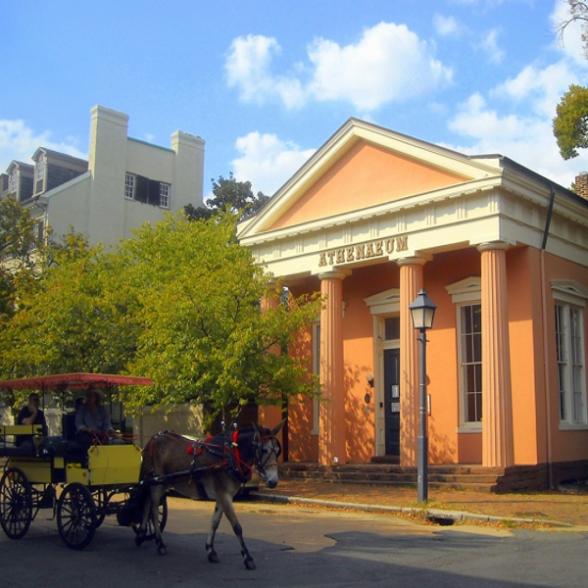
In other locations about town, you’ll find yourself face to face with George Washington’s church pew, the Georgian mansion of town founder John Carlyle, the boyhood home of Civil War General Robert E. Lee, and the oldest pharmacy in the United States, now turned museum. The historic walking tour or a carriage ride takes you through the same streets as Thomas Jefferson and the Marquis de Lafayette walked ever so long ago. And you can of course, visit Gadsby’s Tavern Museum, and also Wise’s Tavern, and Duvall’s Tavern, all places the leaders of the American Revolution met to plan their strategies.

Day 15 Washington, DC

It will be hard to believe you have spent two weeks in the mid-Atlantic region of the United States.  400 continuous years of history is a lot of history.  And remember if any event had a different outcome, America would not the place it is today.


Back to index